Why I Teach Reiki Differently: The Soul Tree Approach
If you have been looking into learning Reiki, you may have noticed that different schools and teachers have quite different approaches to teaching. Class sizes, course content, the traditions followed and the amount of practical experience offered can vary considerably.
At Soul Tree, my approach is quite deliberate. Over the years, I have developed a way of teaching that I genuinely believe gives students the best possible foundation for their Reiki journey. It is based on traditional Reiki teachings, plenty of hands-on experience and, importantly, the belief that learning Reiki is about much more than simply attending a course and receiving an attunement.
Here are some of the questions I am often asked about my teaching approach and why I do things the way I do.

1. Why do you teach larger groups rather than small classes of just one or two students?
This is probably one of the biggest differences in my approach. I deliberately bring people together in groups rather than teaching individual students or very small classes. There are several reasons for this, but the first is practical experience. I want my students to have as much opportunity as possible to both give and receive Reiki during their training.
If you only work with one other person throughout a course, you have a very limited experience of how Reiki feels when working with different individuals. Just as we all have different appearances, voices and personalities, our Reiki signature is also unique. Working with different people allows you to discover just how much those experiences can vary.
I think this is one of the most fascinating parts of learning Reiki. You begin to appreciate that there isn't one universal experience and that every person you work with brings something different to the practice.
2. Is there really a difference between learning Reiki in a group?
Absolutely! There is something quite profound about bringing people together with a shared intention.
When people gather for a common purpose, there is a collective energy that can make the individual experience feel much more powerful. You may have experienced this yourself in a yoga class, group meditation or other shared practice. There is often a sense of connection and energy that is difficult to recreate when practising alone.
I believe the same is true of Reiki training. Learning alongside others, sharing experiences and practising together creates an environment that adds another dimension to the experience.
It is not simply about learning a technique. It is about experiencing Reiki together, observing, sharing and discovering.
3. Why do students often talk about the connections they make during a Reiki course?
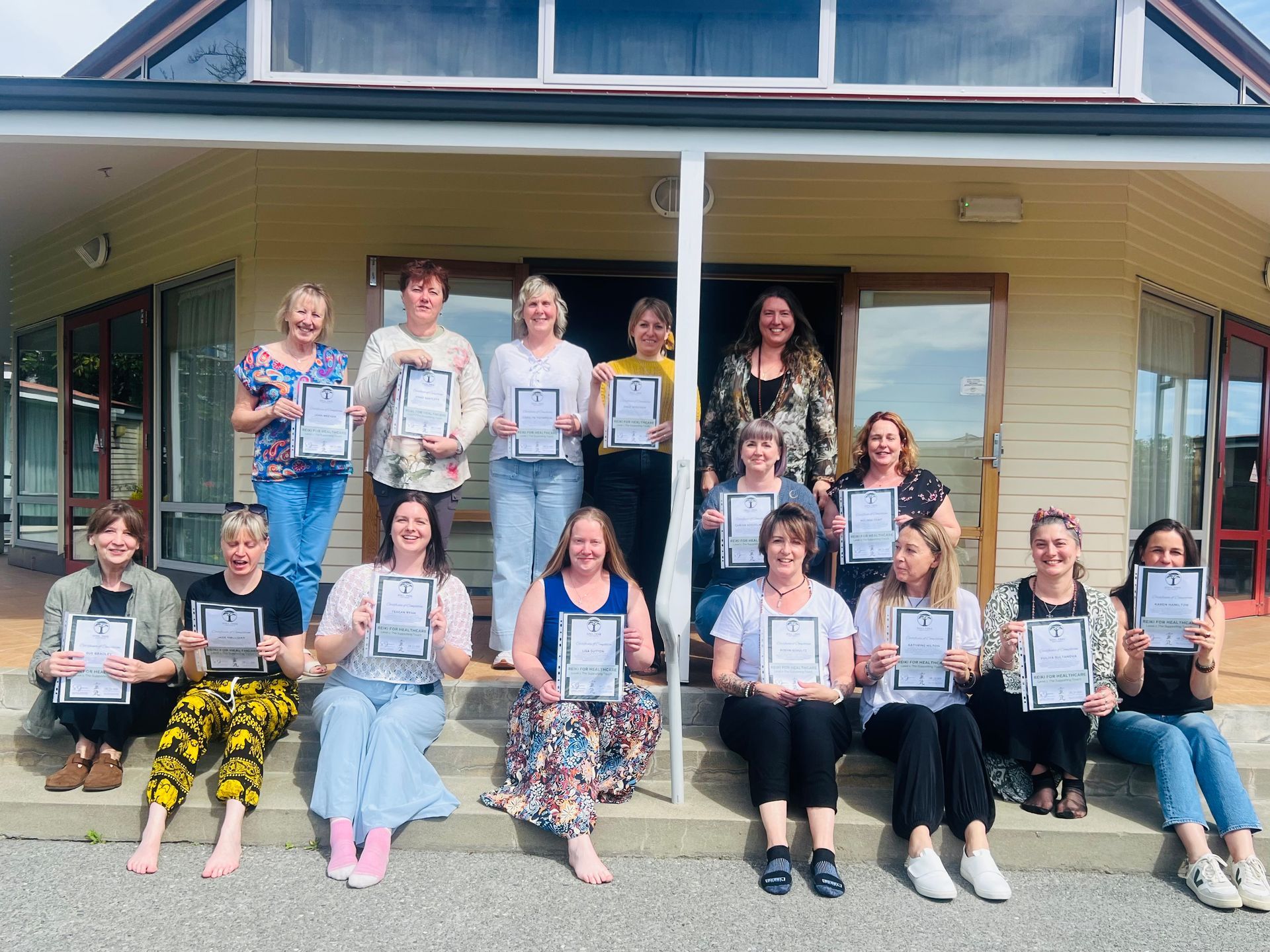
This is one of my favourite things about teaching. One of the most common comments I hear at the end of a weekend is how amazing it was to spend time with a group of like-minded people. Students often tell me how wonderful it felt not to be the unusual one in the room, how quickly everyone bonded and how comfortable they felt sharing their experiences.
There is something special about finding yourself in a room where people understand your curiosity about Reiki and your interest in exploring something that may be quite different from everyday life. People often arrive as complete strangers and leave with genuine friendships and connections. Conversations can be surprisingly open and personal, and there is a sense of acceptance and community that many people feel is missing from their everyday lives.
I truly believe this experience is an important part of Reiki training, and one that cannot be replicated in an individual or very small group setting.
4. Wouldn't a smaller class mean more individual attention?
It is a reasonable assumption, and I understand why some people might think that However, I believe there is much more to a good learning experience. My courses are structured so that everyone has the opportunity to ask questions, receive guidance and develop their practice. At the same time, you benefit from working with a variety of people, listening to their experiences and learning from one another.
From my perspective, the opportunity to practise Reiki with different people, experience the group environment and form connections is an enormous part of what makes the training valuable.
I genuinely believe that choosing a very small class means missing out on something quite special.
5. What style of Reiki do you teach?
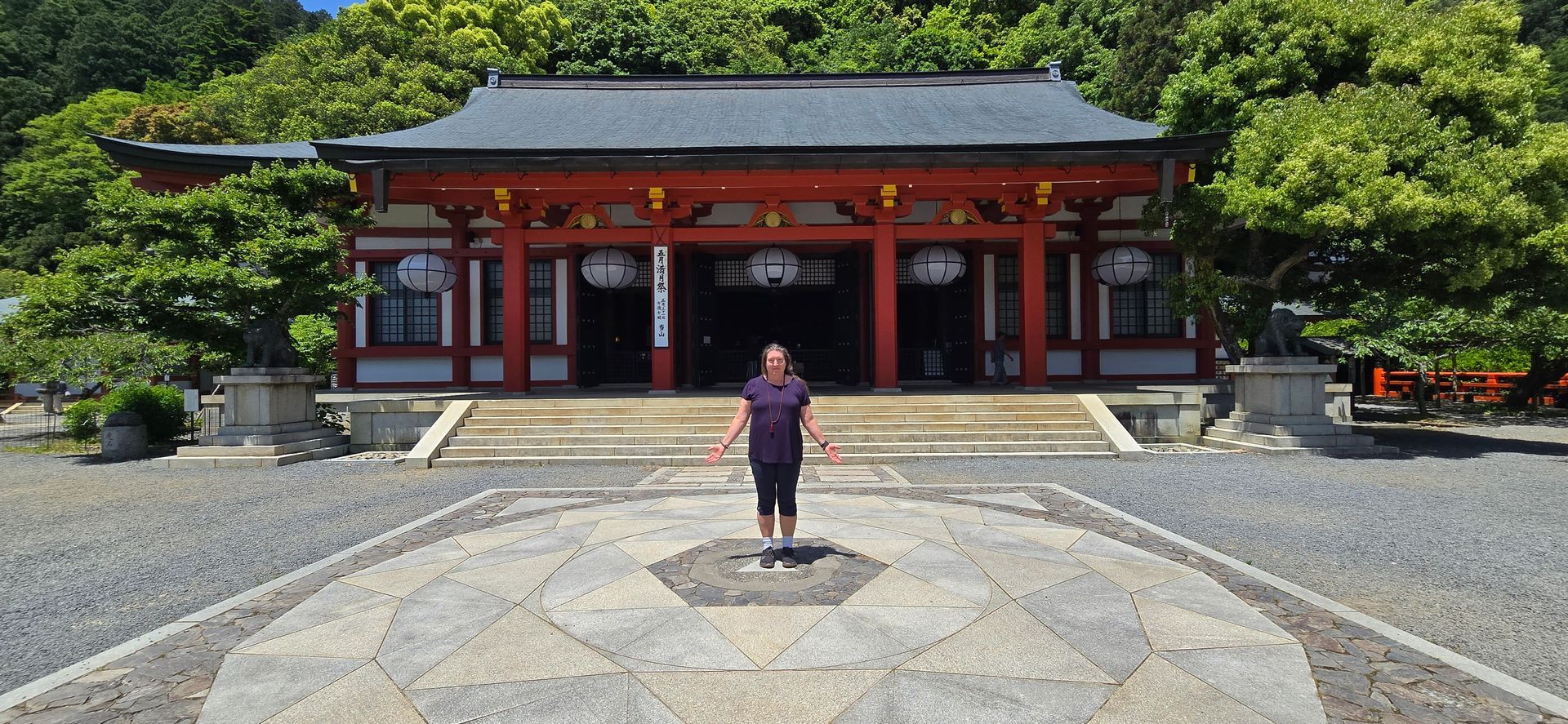
I teach Usui Reiki Ryoho, which is the traditional system of Reiki developed by Mikao Usui in Japan.
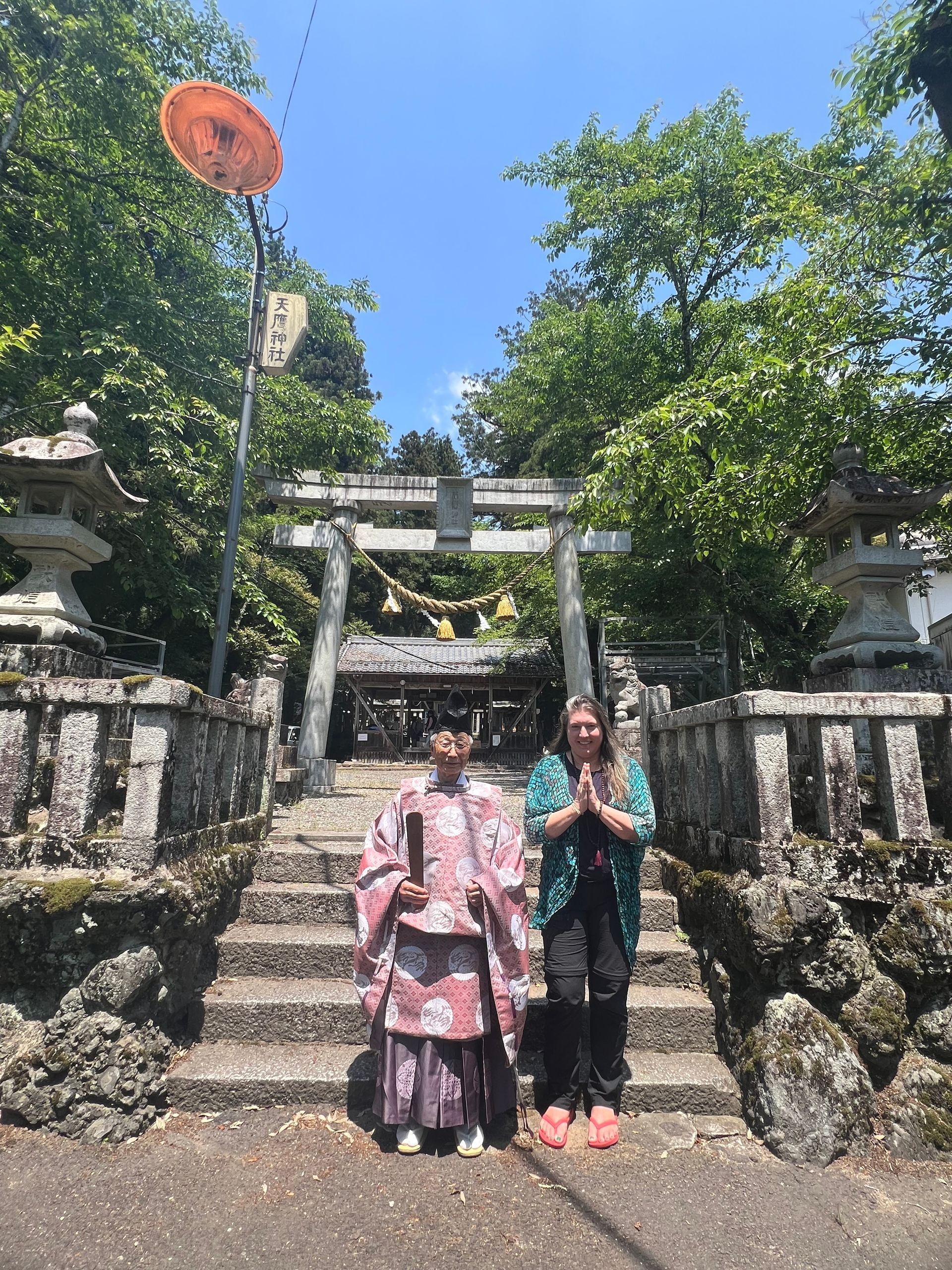
My own training has included studying through the Western tradition, following the lineage of Mrs Takata, as well as learning directly from Japanese Reiki teachers. Having experienced both traditions, I feel I have a good foundation in the traditional teachings and practices of Reiki. My aim is to stay as close to the original teachings and source material as possible, presenting Reiki as a simple practice that every human being can learn.
I don't believe you need special abilities, psychic gifts or any particular spiritual background to practise Reiki. It isn't something reserved for a select few. It is a practice that absolutely anyone can learn, develop and incorporate into their everyday life. I place great importance on understanding the origins, philosophy and techniques of Reiki, rather than adding lots of unrelated practices or complicated concepts. I want students to leave with a clear understanding of what Reiki is and how to practise it.
6. What will I actually do during a Reiki course?
Quite a lot of Reiki!
My priority is to give students as much hands-on experience as possible during our time together. Reiki is something you need to practise and experience for yourself. Reading about it or listening to someone explain it can only take you so far. You will receive a comprehensive course manual for your level, and we will explore the philosophy, history, techniques and practices of Reiki. There is certainly theory involved, and I believe it is important to understand what you are learning and why.
However, I deliberately place more emphasis on practical experience than spending hours sitting in a classroom listening to theory that you could just as easily read in your own time. You will spend a good portion of the course giving and receiving Reiki, learning the techniques, practising with other students and becoming familiar with your own experience of Reiki. My goal is that you leave feeling confident about putting what you have learned into practice, rather than simply having completed a course and received an attunement.
7. What makes the Soul Tree approach different?
For me, Reiki training is about three things: understanding the traditional practice, gaining genuine hands-on experience and discovering the value of sharing that experience with others. I want students to leave with more than a certificate. I want them to have the knowledge, practical skills and confidence to continue practising Reiki in their everyday lives.
I also want them to have experienced the wonderful sense of connection that comes from spending time with others who share an interest in learning and exploring Reiki. Over the years, I have seen friendships form, confidence grow and students continue their Reiki journey together long after their initial training.
That is what makes teaching so rewarding for me.
Reiki is a practice you can carry with you for the rest of your life. I believe the way you are introduced to it matters.
I would love to welcome you to a Soul Tree Reiki course and share that experience with you.
Sirpa Gunn
Reiki Master Teacher | Soul Tree